Introduction
Modern supply chains span continents, suppliers, warehouses, ports, and retailers. While globalization has improved efficiency, it has also introduced complexity, opacity, and risk. Fraud, counterfeiting, delayed shipments, and data silos remain persistent challenges.
Blockchain technology is emerging as a powerful tool to address these issues. By creating a shared, tamper-resistant ledger, blockchain enhances visibility, trust, and coordination across supply chain participants.
The Core Problem in Traditional Supply Chains
Traditional supply chain systems rely on fragmented databases managed by different organizations. This leads to:
- Limited transparency between partners
- Manual reconciliation of records
- High administrative costs
- Vulnerability to fraud and data manipulation
- Slow response to disruptions
Each participant maintains its own version of records, increasing the likelihood of discrepancies.
Blockchain offers a unified, synchronized record accessible to authorized stakeholders.
How Blockchain Works in Supply Chains
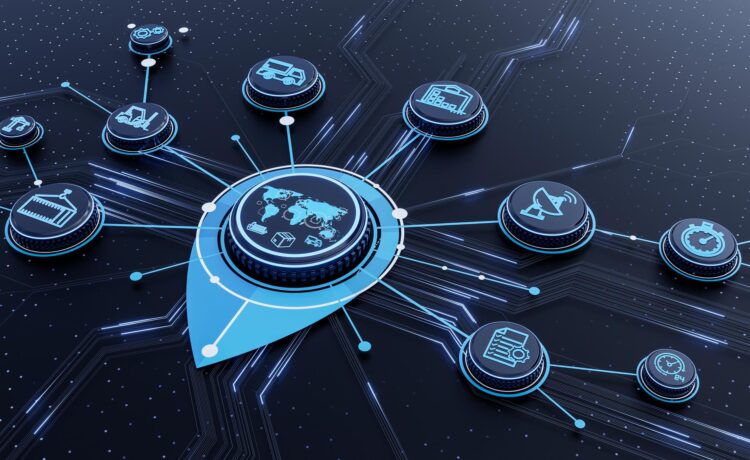
At its foundation, blockchain is a distributed ledger that records transactions across multiple nodes. In supply chain applications, it can:
- Log production details at the source
- Record shipment milestones
- Track temperature and storage conditions
- Verify product authenticity
- Confirm delivery status
Once recorded, entries cannot easily be altered, ensuring data integrity throughout the product lifecycle.
Permissioned blockchains are commonly used in supply chains, allowing companies to maintain privacy while sharing relevant information.
Enhanced Transparency and Traceability
One of blockchain’s strongest advantages is end-to-end traceability.
With blockchain, companies can:
- Track goods from raw material extraction to final delivery
- Identify bottlenecks quickly
- Trace contamination sources in food recalls
- Verify ethical sourcing practices
For example, in the food industry, blockchain enables retailers to trace produce back to specific farms within minutes rather than days.
This level of transparency strengthens consumer trust and regulatory compliance.
Reducing Fraud and Counterfeiting
Counterfeit goods cost businesses billions annually. Industries such as pharmaceuticals, luxury goods, and electronics are particularly vulnerable.
Blockchain helps mitigate these risks by:
- Assigning unique digital identifiers to products
- Recording every transfer of ownership
- Allowing verification through QR codes or digital scans
If a product lacks a verified blockchain record, it can be flagged as suspicious.
This approach enhances authenticity verification without relying solely on paper documentation.
Improving Efficiency and Cost Savings
Supply chains often involve extensive paperwork, including bills of lading, customs documents, and invoices.
Blockchain can automate these processes through:
- Smart contracts that execute payments automatically
- Real-time data synchronization
- Reduced manual reconciliation
- Faster dispute resolution
By digitizing documentation and automating workflows, organizations reduce operational friction.
Efficiency gains translate into lower costs and improved speed to market.
Strengthening Compliance and Auditability
Regulatory compliance is a significant concern, especially in industries like pharmaceuticals, agriculture, and manufacturing.
Blockchain improves compliance by:
- Maintaining immutable audit trails
- Recording certifications and inspections
- Providing regulators with verified data access
Auditors can review time-stamped entries rather than relying on fragmented records.
This reduces compliance risks and simplifies reporting requirements.
Real-Time Monitoring with IoT Integration
Blockchain becomes even more powerful when integrated with Internet of Things (IoT) devices.
Sensors can record:
- Temperature changes
- Humidity levels
- Location updates
- Handling conditions
These data points can be automatically uploaded to a blockchain ledger, ensuring accuracy and minimizing manual input.
For sensitive goods such as vaccines or perishable food, real-time monitoring is critical.
Challenges and Limitations
Despite its potential, blockchain adoption in supply chains faces hurdles:
- High implementation costs
- Interoperability issues between platforms
- Scalability constraints
- Resistance to data sharing among competitors
- Need for standardized industry protocols
Blockchain is not a universal solution. Companies must evaluate whether decentralization genuinely improves their operational model.
In many cases, hybrid systems combining blockchain with traditional databases offer practical balance.
The Future of Blockchain in Supply Chains
As technology matures, blockchain adoption is expected to expand in industries requiring transparency and traceability.
Future developments may include:
- Greater cross-border trade integration
- Unified global tracking standards
- Wider adoption in sustainability reporting
- Increased automation through advanced smart contracts
Organizations that prioritize transparency and efficiency are likely to benefit most from blockchain integration.
The technology’s long-term success depends on collaboration among industry players and regulatory clarity.
Frequently Asked Questions (FAQ)
1. Is blockchain necessary for all supply chains?
No. It is most beneficial in complex, multi-party environments where trust and transparency are major concerns.
2. How does blockchain improve product recalls?
It enables rapid identification of affected batches by providing detailed traceability from origin to distribution.
3. Are blockchain supply chain systems public?
Most implementations are permissioned, meaning only authorized participants can access the data.
4. Can blockchain prevent shipping delays?
It cannot eliminate delays, but it improves visibility and coordination, helping stakeholders respond faster.
5. Does blockchain replace ERP systems?
Not entirely. Blockchain often integrates with existing enterprise resource planning systems to enhance data sharing.
6. What industries benefit most from blockchain supply chains?
Food, pharmaceuticals, luxury goods, electronics, and manufacturing sectors see significant advantages.
7. Is blockchain adoption expensive?
Initial setup can be costly, but long-term savings from reduced fraud and improved efficiency may offset implementation expenses.