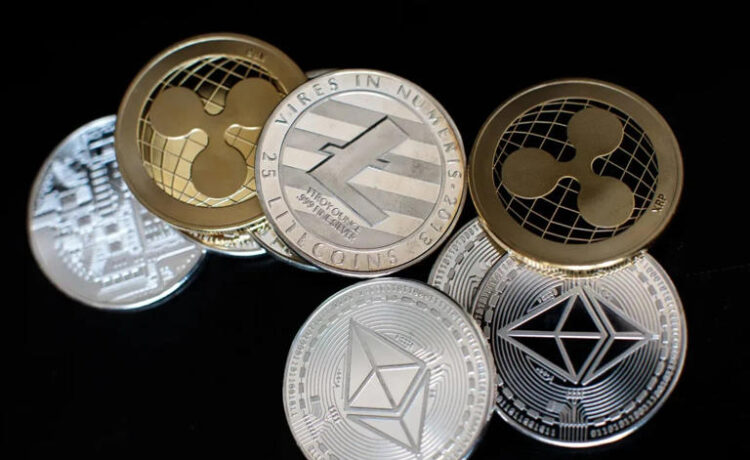
Introduction
The cryptocurrency market continues to evolve, driven by technological innovation, regulatory shifts, and institutional interest. While volatility remains a defining feature, several digital assets stand out due to their adoption levels, development activity, and ecosystem growth.
This article highlights major cryptocurrencies worth monitoring this year based on utility, network strength, and market relevance—not short-term hype.
1. Bitcoin (BTC)
Bitcoin remains the largest and most established cryptocurrency by market capitalization.
Why It Matters
- Fixed supply of 21 million coins
- Widely viewed as “digital gold”
- Increasing institutional adoption
- Strong network security
Bitcoin often sets the tone for the broader crypto market. Its price movements influence investor sentiment across altcoins.
For conservative crypto investors, Bitcoin remains a foundational asset.
2. Ethereum (ETH)
Ethereum is the leading smart contract platform powering decentralized applications.
Key Strengths
- Largest decentralized finance (DeFi) ecosystem
- Active developer community
- Support for NFTs and tokenization
- Ongoing network upgrades improving scalability
Ethereum’s transition to proof-of-stake has reduced energy consumption while maintaining network security.
Its utility extends beyond payments into decentralized finance, gaming, and enterprise solutions.
3. Solana (SOL)
Solana is known for high-speed transactions and low fees.
What Sets It Apart
- Fast block processing times
- Growing ecosystem of decentralized apps
- Expanding NFT and gaming projects
Solana has experienced network challenges in the past, but ongoing improvements aim to enhance stability.
Its focus on performance makes it a platform to watch in high-traffic blockchain applications.
4. Cardano (ADA)
Cardano emphasizes academic research and peer-reviewed development.
Notable Features
- Energy-efficient proof-of-stake model
- Structured development roadmap
- Focus on scalability and governance
Cardano’s slow, research-driven approach appeals to investors seeking long-term sustainability.
Adoption growth remains a key factor to monitor.
5. Binance Coin (BNB)
BNB powers one of the largest cryptocurrency exchange ecosystems.
Core Advantages
- Utility within exchange services
- Smart contract functionality
- Token burn mechanism reducing supply
Its value is closely tied to platform activity and trading volume.
Regulatory developments affecting exchanges may influence performance.
6. XRP (XRP)
XRP focuses on cross-border payment solutions.
Key Highlights
- Fast transaction settlement
- Partnerships in financial services
- Low transaction costs
Legal and regulatory clarity has historically influenced XRP’s market performance.
Its long-term potential depends on adoption in global payment networks.
7. Emerging Layer-2 and AI-Integrated Projects
Beyond established names, this year may spotlight:
- Layer-2 scaling solutions improving blockchain efficiency
- AI-integrated blockchain platforms
- Real-world asset tokenization projects
- Infrastructure-focused tokens
Investors should evaluate fundamentals rather than chase speculative momentum.
Factors to Consider Before Investing
Monitoring cryptocurrencies requires more than watching price charts.
Key evaluation criteria include:
- Network activity and transaction volume
- Developer engagement
- Token supply dynamics
- Regulatory landscape
- Institutional interest
Diversification can reduce risk exposure in volatile markets.
Market Risks to Remember
Cryptocurrency markets remain unpredictable.
Major risks include:
- Regulatory crackdowns
- Technological vulnerabilities
- Macroeconomic downturns
- Liquidity shifts
Even strong projects can experience sharp price declines during market corrections.
Risk management is essential.
Conclusion
The crypto landscape continues to mature, with established assets maintaining dominance and emerging projects pushing innovation forward.
Bitcoin and Ethereum remain market leaders. Meanwhile, platforms like Solana and Cardano offer alternative technological visions.
Watching these cryptocurrencies this year involves evaluating fundamentals, adoption trends, and broader economic conditions—not just short-term price spikes.
Careful research and disciplined allocation strategies remain critical in a fast-moving market.
Frequently Asked Questions (FAQ)
1. How do I decide which cryptocurrency to invest in?
Consider project fundamentals, market position, development activity, and your personal risk tolerance.
2. Are smaller cryptocurrencies better investments?
They may offer higher growth potential but typically carry greater risk and volatility.
3. Should I diversify across multiple cryptocurrencies?
Diversification can reduce exposure to the failure of any single asset.
4. How much of my portfolio should be in crypto?
Allocation depends on risk tolerance, financial goals, and overall investment strategy.
5. Do regulations impact cryptocurrency prices?
Yes. Regulatory announcements can significantly influence market sentiment and price movements.
6. Is it better to invest during market dips?
Buying during corrections can reduce entry costs, but timing the market carries uncertainty.
7. Can cryptocurrencies outperform traditional assets?
They have in certain periods, but returns are highly volatile and not guaranteed.