Introduction
The internet has evolved through distinct phases. Web1 delivered static pages. Web2 introduced social media, cloud platforms, and user-generated content. Now, Web3 proposes a shift toward decentralization, digital ownership, and blockchain-based infrastructure.
At the heart of Web3 are decentralized applications (dApps)—software programs that operate on blockchain networks rather than centralized servers. These applications aim to reduce reliance on intermediaries while increasing transparency and user control.
Understanding Web3 requires examining its architecture, use cases, benefits, and limitations.
What Is Web3?
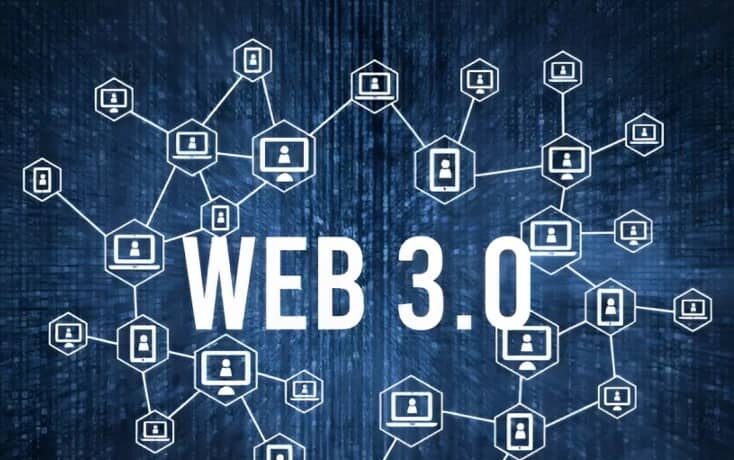
Web3 refers to a decentralized internet powered by blockchain technology, smart contracts, and token-based ecosystems.
Key characteristics include:
- Decentralization: No single entity controls the network.
- Token incentives: Native tokens reward participation.
- Digital ownership: Users control assets and identities.
- Open protocols: Applications interact through transparent standards.
Unlike Web2 platforms that monetize user data, Web3 emphasizes user sovereignty.
What Are Decentralized Applications (dApps)?
dApps are software applications that run on blockchain networks.
They differ from traditional applications in several ways:
- Backend logic is executed via smart contracts.
- Data is stored on distributed ledgers.
- Access often requires a crypto wallet instead of username/password credentials.
dApps can operate without centralized hosting providers, reducing censorship and downtime risks.
Core Components of Web3
Web3 infrastructure relies on several technological layers.
1. Blockchain Networks
Blockchains provide the ledger and consensus mechanisms for decentralized applications.
2. Smart Contracts
Smart contracts are self-executing programs that automatically enforce agreements when predefined conditions are met.
3. Cryptographic Wallets
Wallets enable users to interact with dApps, sign transactions, and manage digital assets.
4. Token Economies
Tokens incentivize participation, governance, and network security.
These elements combine to create a decentralized digital ecosystem.
Major Use Cases of Web3
Web3 applications span multiple industries.
Decentralized Finance (DeFi)
DeFi platforms enable:
- Lending and borrowing without banks
- Decentralized exchanges
- Yield generation mechanisms
- Asset tokenization
Non-Fungible Tokens (NFTs)
NFTs provide:
- Verifiable digital ownership
- Royalties for creators
- Asset authentication
Decentralized Autonomous Organizations (DAOs)
DAOs allow token holders to:
- Vote on governance decisions
- Propose network changes
- Allocate treasury funds
Gaming and Metaverse Platforms
Blockchain-based gaming integrates digital ownership, enabling players to trade in-game assets.
Advantages of Web3
Web3 introduces several potential benefits.
Greater Transparency
All transactions are recorded on blockchain ledgers, enhancing auditability.
User Ownership
Individuals retain control over digital assets and data.
Reduced Intermediaries
Smart contracts automate processes, lowering reliance on centralized platforms.
Global Accessibility
Anyone with internet access and a wallet can participate.
These features appeal to users seeking autonomy and financial inclusion.
Challenges Facing Web3
Despite its promise, Web3 faces significant hurdles.
Scalability Issues
Blockchain networks can struggle with high transaction volumes.
Regulatory Uncertainty
Governments continue to develop frameworks for digital assets and decentralized platforms.
User Experience Barriers
Wallet management and transaction fees can complicate adoption.
Security Risks
Smart contract vulnerabilities and phishing attacks remain concerns.
Addressing these challenges is critical for mainstream adoption.
The Role of Interoperability
Future Web3 growth depends on cross-chain compatibility.
Interoperability enables:
- Seamless asset transfers across blockchains
- Unified user experiences
- Broader ecosystem collaboration
Projects focusing on bridging networks aim to reduce fragmentation.
Web3 vs. Web2: Key Differences
| Feature | Web2 | Web3 |
|---|---|---|
| Data Ownership | Controlled by platforms | Controlled by users |
| Infrastructure | Centralized servers | Distributed networks |
| Monetization | Advertising-based | Token-based economies |
| Governance | Corporate control | Community voting |
Web3 does not replace Web2 entirely but introduces alternative models.
The Future Outlook
Web3 remains in development, but trends suggest continued experimentation.
Future directions may include:
- Improved scalability solutions
- Enhanced regulatory clarity
- Integration with artificial intelligence
- Enterprise blockchain adoption
- Expansion of tokenized real-world assets
Mass adoption will depend on simplifying user interfaces and ensuring compliance with global regulations.
Conclusion
Web3 represents an ambitious vision of a decentralized internet built on blockchain technology. Decentralized applications challenge traditional models by emphasizing transparency, ownership, and community governance.
While technological and regulatory obstacles remain, innovation continues at a rapid pace.
The future of decentralized applications will likely blend elements of both centralized and decentralized systems, creating a hybrid digital landscape shaped by user empowerment and technological advancement.
Frequently Asked Questions (FAQ)
1. Is Web3 the same as cryptocurrency?
No. Cryptocurrency is one component of Web3, which includes decentralized applications, smart contracts, and tokenized ecosystems.
2. Do I need cryptocurrency to use Web3 applications?
In most cases, yes. Tokens are often required for transactions or governance participation.
3. Are decentralized applications completely censorship-resistant?
They are more resistant than centralized apps, but front-end interfaces can still face regulatory or hosting restrictions.
4. What industries could benefit most from Web3?
Finance, gaming, digital identity, supply chains, and content creation are key sectors.
5. Is Web3 environmentally sustainable?
Energy efficiency varies by blockchain. Many newer networks use less energy-intensive consensus mechanisms.
6. Can Web3 replace traditional internet platforms?
It may complement or transform aspects of them, but full replacement is unlikely in the near term.
7. How can beginners get started with Web3?
Begin by learning about blockchain basics, setting up a secure wallet, and experimenting with reputable decentralized applications.